Resource centers and connection points for regional development in Romania and across the entire Carpathian-Danubian-Pontic area.
The hub network provides innovative solutions based on smart specialization strategies for designing cultural-tourism routes, for education and human capital development, as well as for the development of local value chains, giving each region a stronger operational structure and a clearer public voice.
Cluster hubs
Open each hub profile to see its role in the cluster, the organisations it gathers, and the services it coordinates.
HUB Tourism
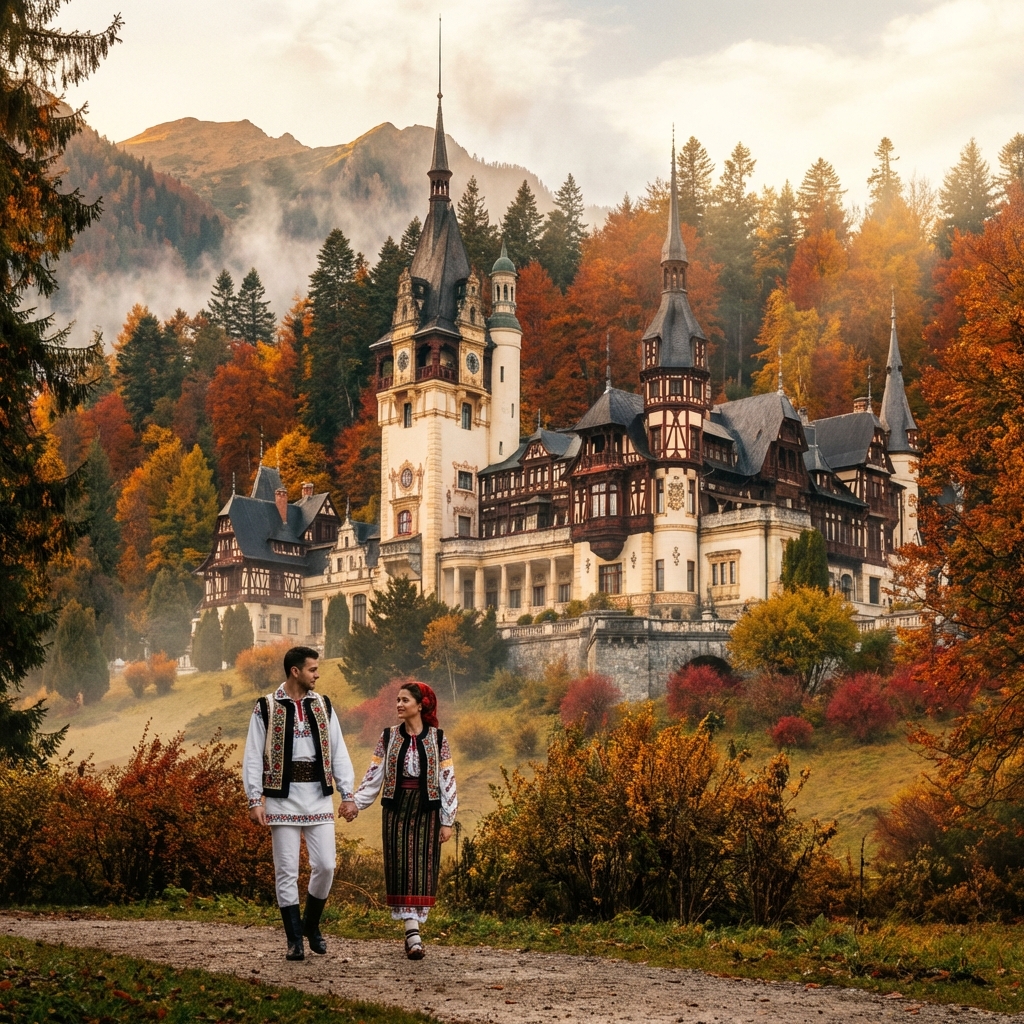
The Tourism Hub develops integrated tourism products that capitalize on the cultural, natural and gastronomic heritage of all Thracian regions and promotes sustainable tourism. We coordinate promotion campaigns that attract visitors to destinations and generate benefits for communities.
HUB Agri-Food
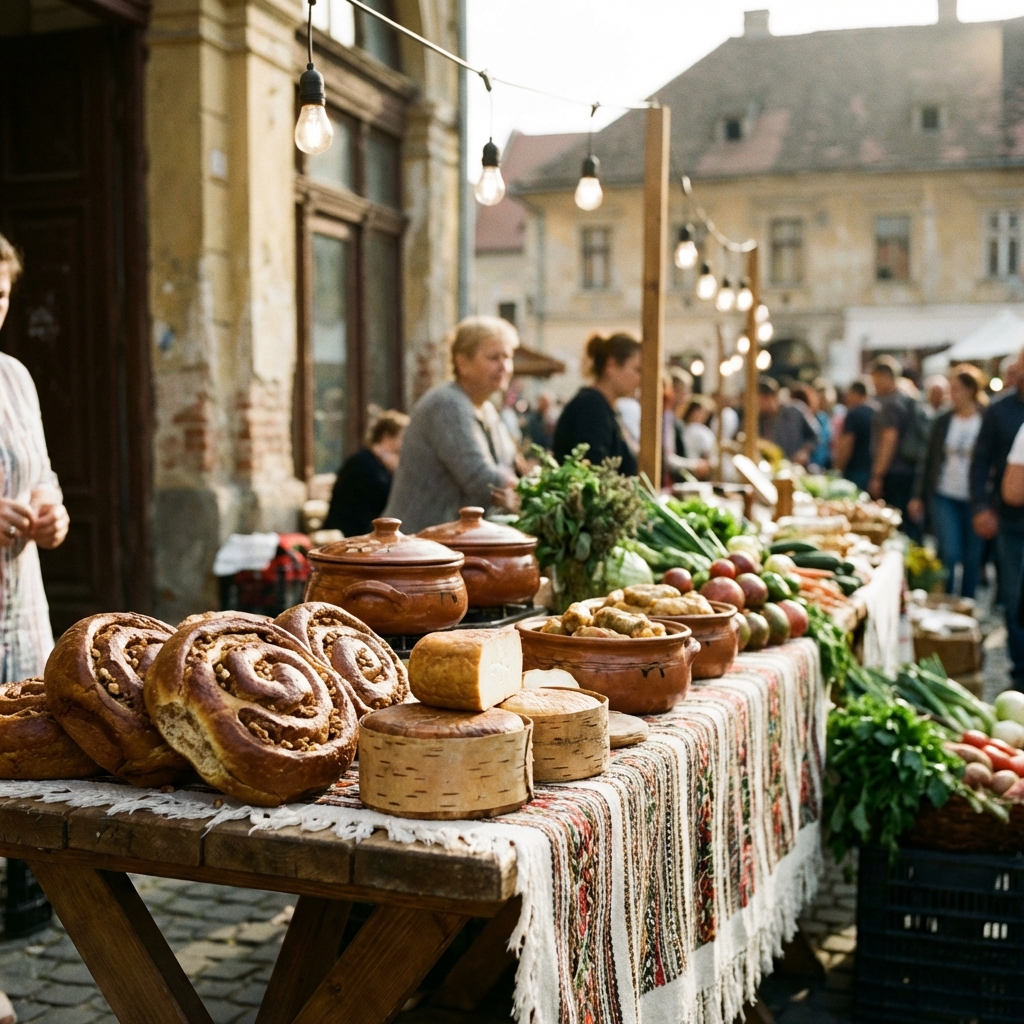
The Agri-Food Hub connects farmers, processors and distributors to develop local value chains aimed at capitalizing on and promoting products with certified quality schemes such as "bio", "traditional product", IGP or DOP, which are part of the culinary heritage of each historical region.
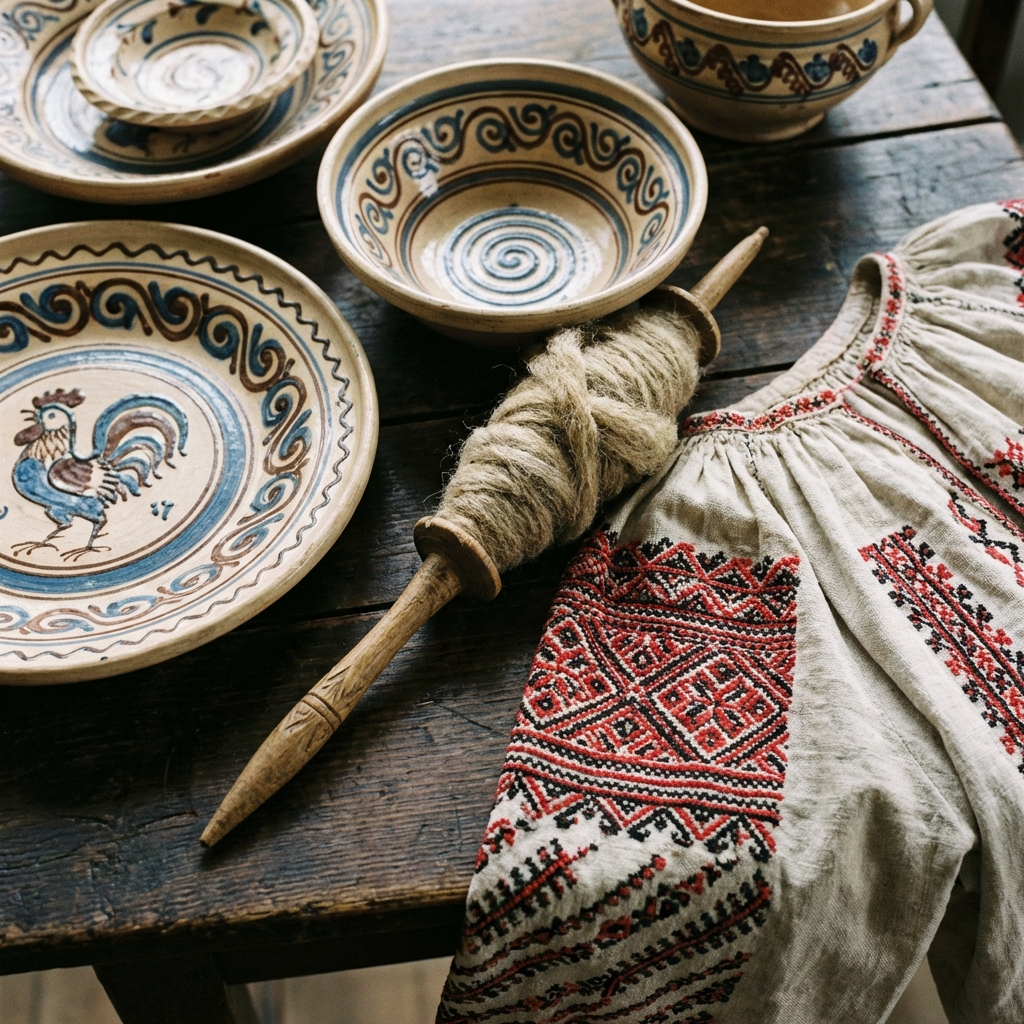
HUB Culture & Heritage
The Culture and Heritage Hub brings together institutions, organizations and experts dedicated to the conservation, research and promotion of UNESCO world cultural heritage from the Thraco-Geto-Dacian regions of Romania and across the entire Balkan area.
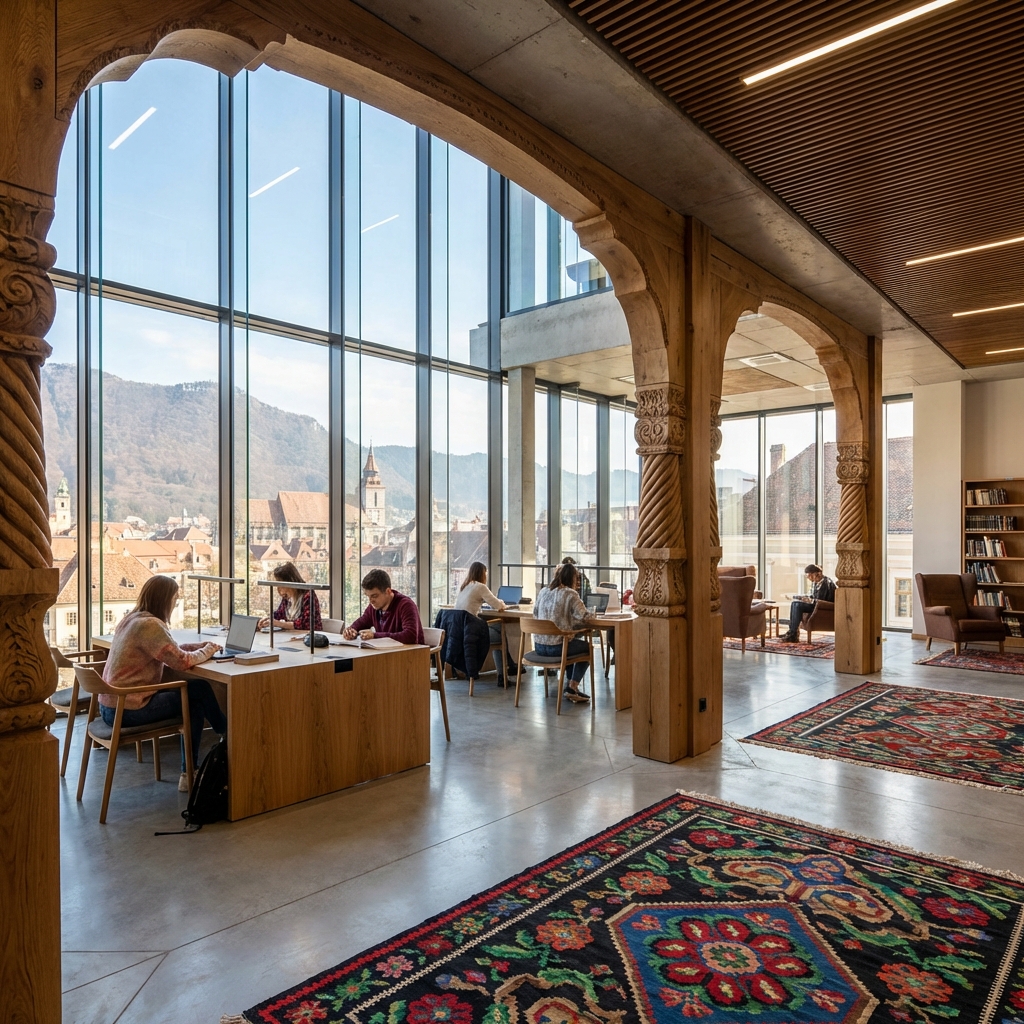
HUB Education & Research
The Education and Research Hub brings together universities, schools, research and innovation centers, and educational organizations to develop human capital in the historical regions integrated on the TraciaLand Cluster platform.

HUB Digital & Innovation
The Digital and Innovation Hub supports the digital transformation of cluster members and develops innovative solutions for the challenges of all regions active on the TraciaLand Cluster platform.
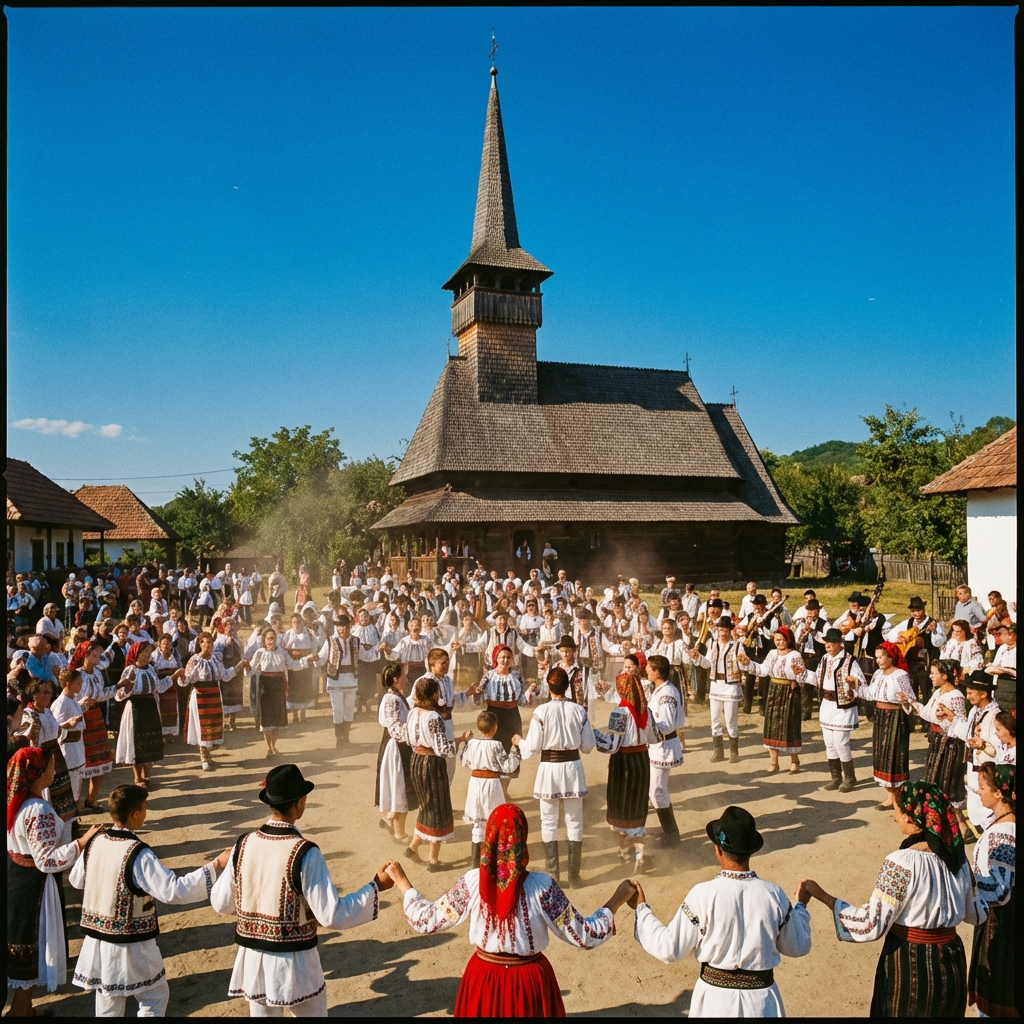
HUB Local Communities
The Local Communities Hub focuses on the sustainable development of rural and urban communities in the Thraco-Geto-Dacian regions present on the TraciaLand Cluster platform, with an emphasis on social inclusion and civic participation.
What the hub layer does
Each hub gathers the formats, partners, and responsibilities that help a region welcome visitors and sustain local work over time.
Together, the hubs translate territory into action: they coordinate programming, connect practitioners, and make sure projects remain legible to both local communities and external partners.
Services and capacities
Route design and destination framing
Producer and maker coordination
Festival, exhibition, and event programming
Education, documentation, and digital publishing
Who the hubs are built for
Makers and producers
The full hub pages are open to practitioners who already generate cultural, culinary, or craft value on the ground.
Organisers and institutions
Hubs also gather institutions, public organisers, and local associations able to host, document, or scale regional work.
Learners and emerging members
Education, apprenticeships, and community onboarding remain part of the hub structure so knowledge is not locked inside a small core team.
Hub network at a glance
6
hub clusters
5
channel families supported
10
regions coordinated in the atlas
1
shared presentation edition